Trade policy and trade agreements
Activities

WTO Thematic Session: Trade contributions to energy transition efforts concerning climate adaptation and mitigation
How can trade and trade-related policy tools contribute to a just, climate resilient, low-carbon energy transition? Which goods, services and technologies can support efforts to increase the proportion of renewable sources in national energy mixes? · What trade-related measures have Members taken? What kind of approaches have worked? What are the specific opportunities and challenges faced by developing countries? · What is the WTO’s role in promoting these tools and providing an institutional framework? · From a business perspective, what are the main trade-related opportunities and challenges? What could governments do to support the transition?
Building Economic Resilience—Japan’s Evolving Approach to Engagement with Latin America
How is Japanese engagement with the region evolving to accommodate shifting global and regional conditions? What are the possibilities for enhanced Japan-Latin America cooperation on issues of shared concern, including food security, economic resilience, and the integrity of democratic institutions? In what sectors and countries has Japan’s involvement been most supportive of Latin America’s economic and political objectives to date, and can these examples be replicated in other parts of the region?

Remaking the Global Trading System for a Sustainable Future
Remaking the Global Trading System for a Sustainable Future High-Level Summit 15–17 September 2023. Hosted by the Villars Institute in partnership with Remaking Global Trade for a Sustainable Future Project
News
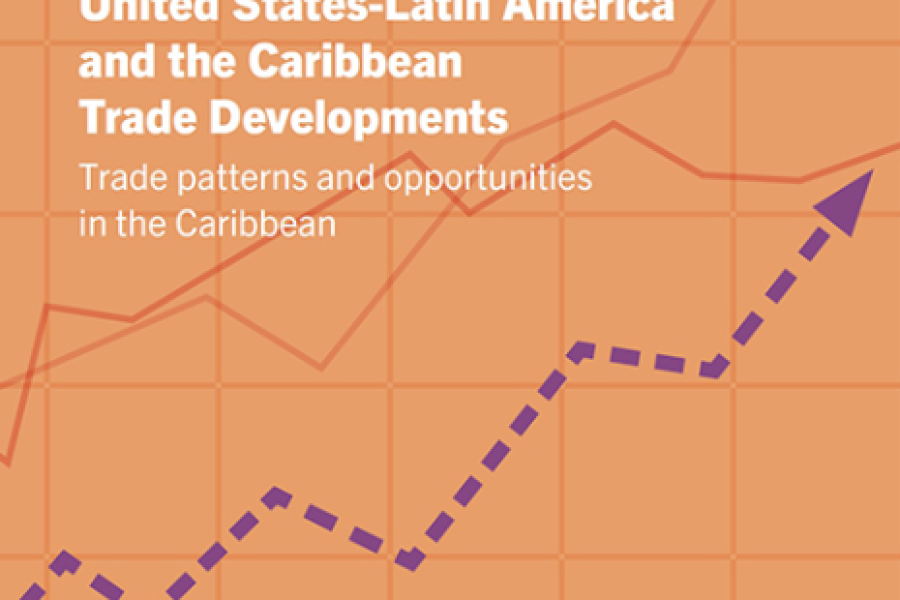
United States-Latin America and the Caribbean Trade Developments: trade patterns and opportunities in the Caribbean
This special issue of United States-Latin America and the Caribbean Trade Developments provides an overview of trade relations between the United States and the Caribbean for the period 2021–2024.
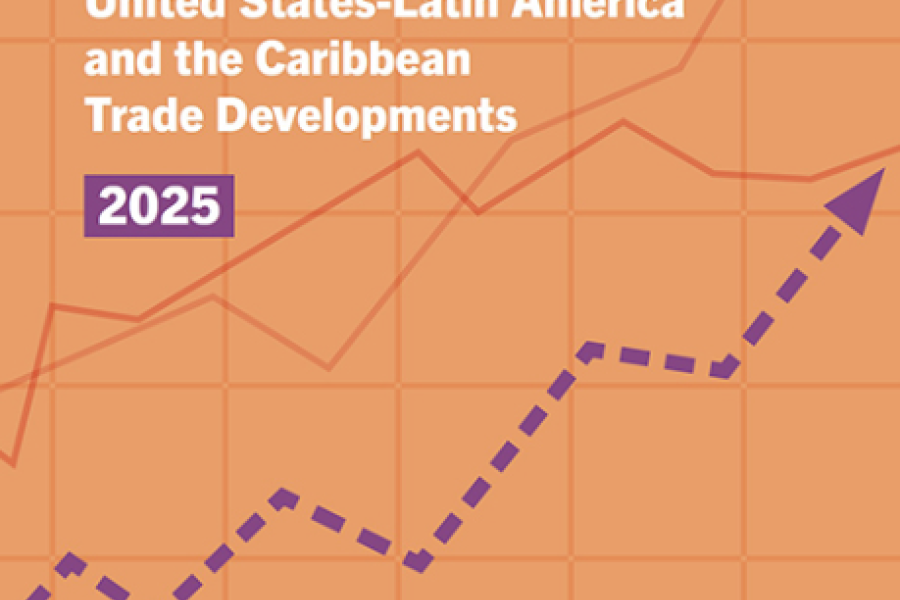
United States-Latin America and the Caribbean Trade Developments 2025
In 2024, Latin America and the Caribbean accounted for 19.2% of total United States trade, similar to the level recorded in 2023. The region’s share of total United States trade in goods, 23.2%, surpassed pre-pandemic levels.

Given the United States’ New Tariff Policy, Latin American and Caribbean Countries Should Diversify their Trade Relations and Strengthen Regional Integration
According to ECLAC’s latest annual report on international trade, the region’s countries face, on average, lower tariffs in the United States than several of that country’s main trading partners, which opens up some opportunities for expanding their market share.

ECLAC’s New Annual Report Analyzes the Effects of U.S. Tariffs on Latin America and the Caribbean’s Foreign Trade
The publication “International Trade Outlook for Latin America and the Caribbean 2025” will be presented at a press conference on Wednesday, November 19 in Santiago, Chile.