Carbon pricing
Carbon pricing instruments are economic tools designed to internalize the social costs associated with greenhouse gas (GHG) emissions—particularly carbon dioxide (CO₂)—with the goal of mitigating climate change. These instruments assign a monetary value to carbon emissions, encouraging companies and individuals to adjust their production and consumption decisions, thereby reducing emissions and promoting more sustainable practices.
Activities

News

New ECLAC publication assesses the effectiveness and challenges of carbon pricing instruments in the region
Overview of carbon pricing policies in Latin America and the Caribbean, 2025: an analysis of their effectiveness and guidelines for implementation will be presented at COP30, to be held in Belém, Brazil.

ECLAC at COP30: economic instruments and multilateral cooperation for a just and sustainable transition
During the conference in Belém, Brazil, the United Nations regional commission will present its work to advance the climate agenda as a driver of economic and social transformation.
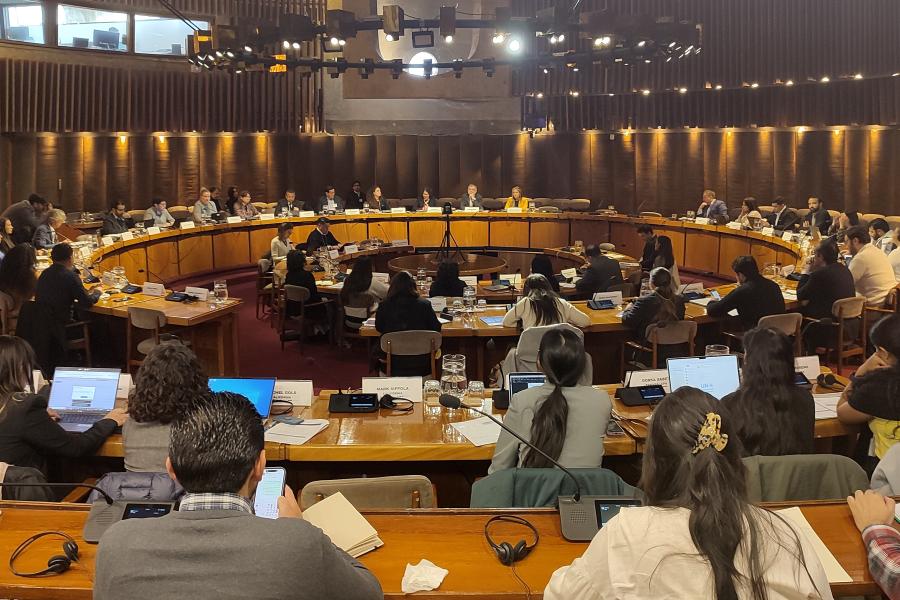
Carbon pricing workshop enables dialogue among countries in the region to explore strategies to strengthen ambition and climate finance in Latin America and the Caribbean
The event, which brought together experts and officials from more than 20 countries, highlighted the need for a multidisciplinary approach to implement effective carbon pricing policies to address climate change.
Publication featured
Overview of carbon pricing policies in Latin America and the Caribbean, 2025: an analysis of their effectiveness and guidelines for implementation
This document presents an overview of carbon pricing policies in Latin America and the Caribbean. It focuses on the characteristics of carbon pricing instruments, both explicit, such as carbon taxes…
Video
Infographic
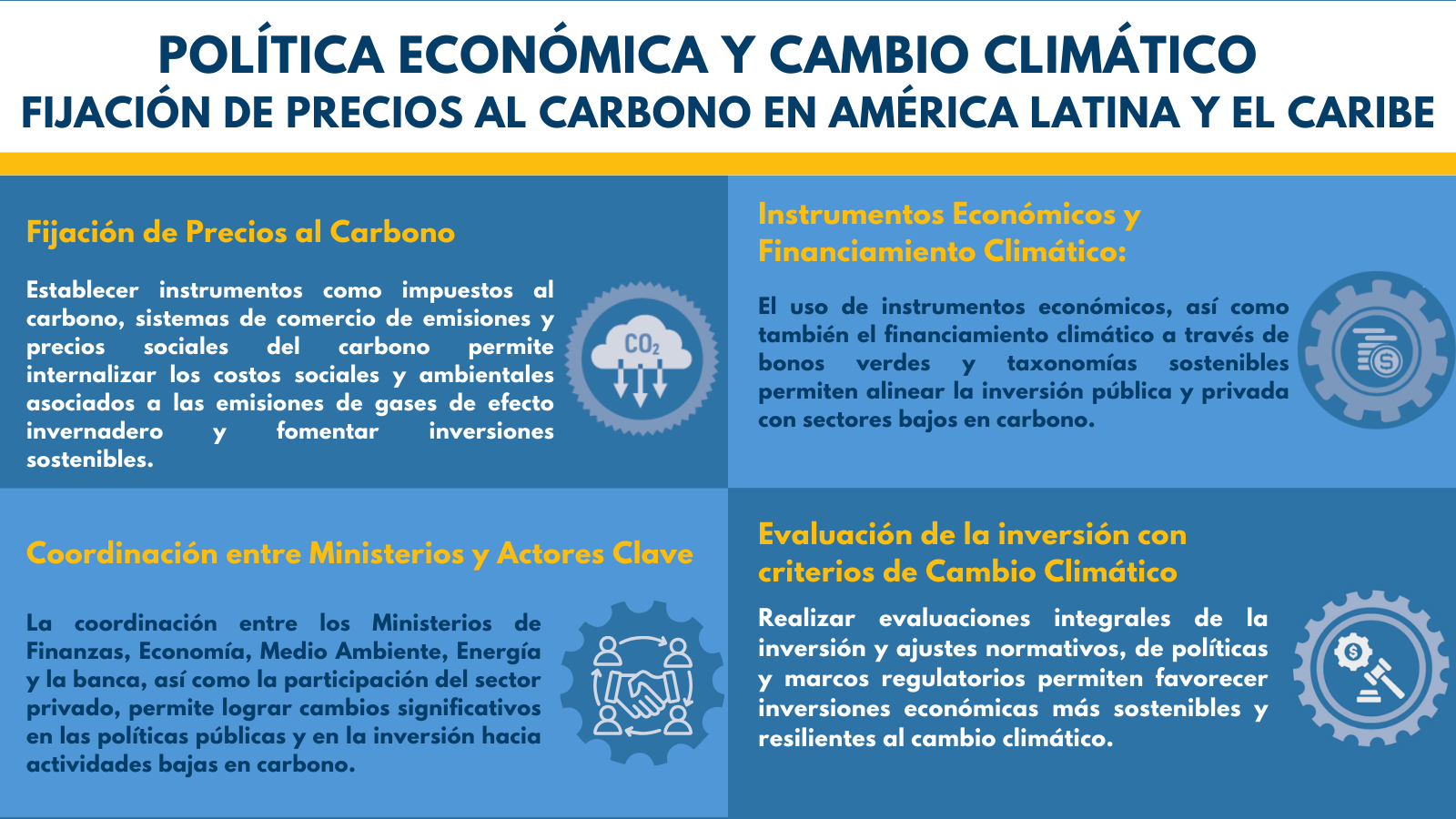
Fijación de precios al carbono en América Latina y el Caribe
Política económica y cambio climático