Financing for development
The mission of ECLAC in the area of financing for development is entrusted to its Economic Development Division and consists in promoting the effective generation and efficient allocation of financial resources to support development and equality in Latin America and the Caribbean.
Activities
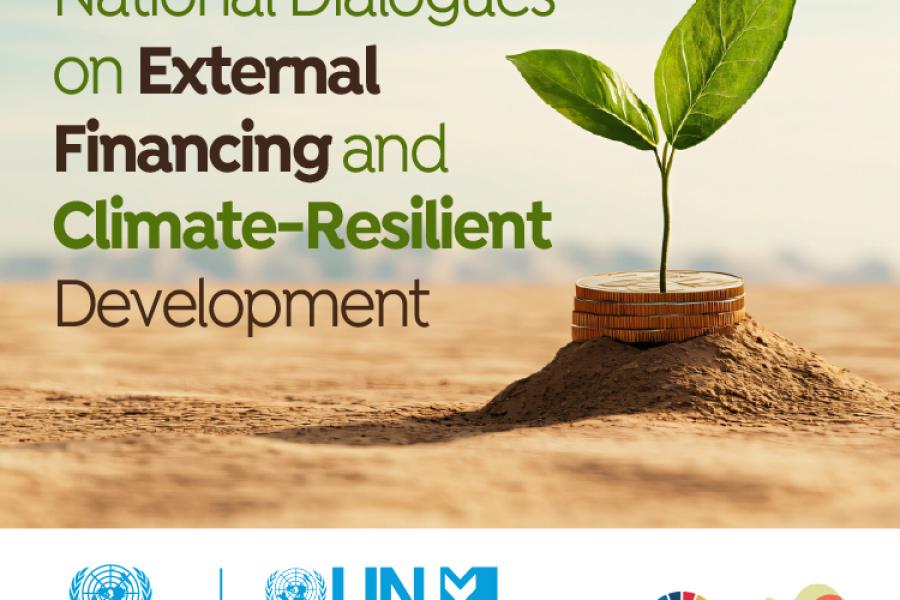
Regional and National Dialogues on External Financing and Climate-Resilient Development
Guided by an enhanced framework, UNCTAD led data collection field missions, identifying their current and potential external financial options, blockages and impediments to the uptake of innovative financial instruments, as well as the regulatory, institutional, and market-related changes required to encourage these innovations. These efforts culminated in the delivery of climate adaptation and mitigation reports for each country, assessing direct and indirect climate risks and proposing strategies to address these risks and achieve SDGs 17.4 and 13.b and will contribute to the regional discussion.
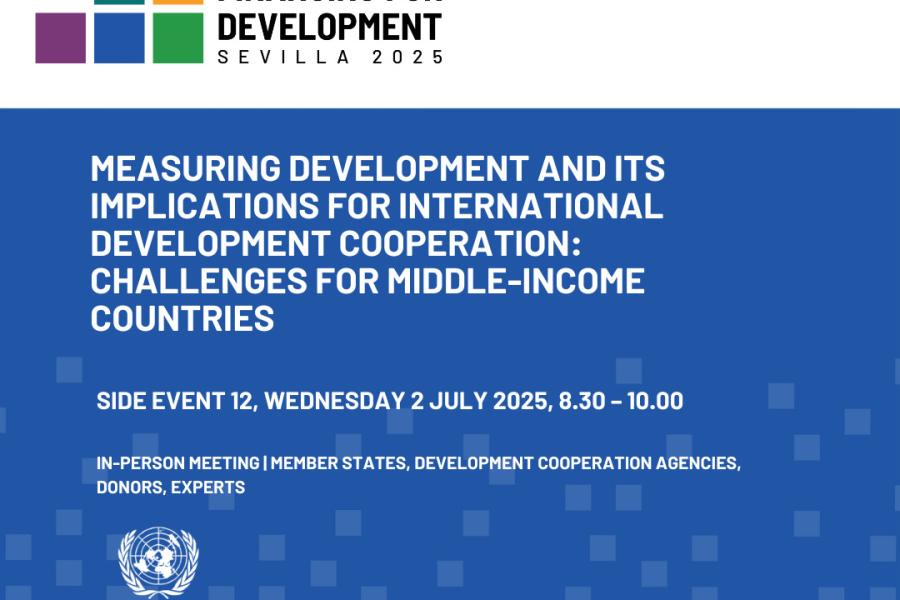
FFD4 Side event - Measuring development and its implications for international development cooperation: Challenges for middle-income countries
Building upon the experience of recently graduated Member States in Latin America and the Caribbean, this side event contributes to the global debate on measuring development and its impact on international cooperation, promoting a more inclusive and sustainable vision that better reflects the needs of developing countries. The objective of the event is to analyze the challenges posed by traditional metrics, as well as to explore possible alternatives for a more adequate measurement of development.
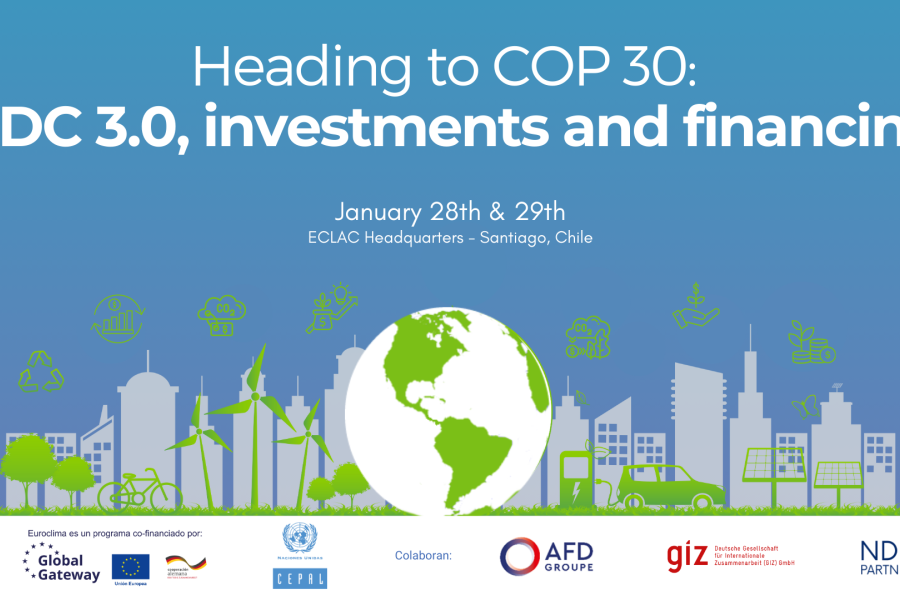
Heading to COP 30: NDC 3.0, investments and financing
The event brings together representatives from ministries of environment, planning, and finance, along with actors from the financial and private sectors. Its goal is to design roadmaps toward more ambitious climate goals in Latin America and the Caribbean in the context of COP30. This space aims to foster international cooperation, review lessons learned, and explore financing opportunities to implement Nationally Determined Contributions (NDCs), ensuring socio-economic co-benefits and resilience to climate change.
Thirty-ninth session of ECLAC
The thirty-ninth session of the Economic Commission for Latin America and the Caribbean (ECLAC) will be held from 24–26 October 2022, at the Centro Cultural Kirchner in Buenos Aires, pursuant to resolution 753 (PLEN.36), adopted at the thirty-sixth session of the ECLAC Committee of the Whole, held in New York on 3 December 2021. The meeting will be held in accordance with the ECLAC calendar of conferences for the period 2021–2022.
News
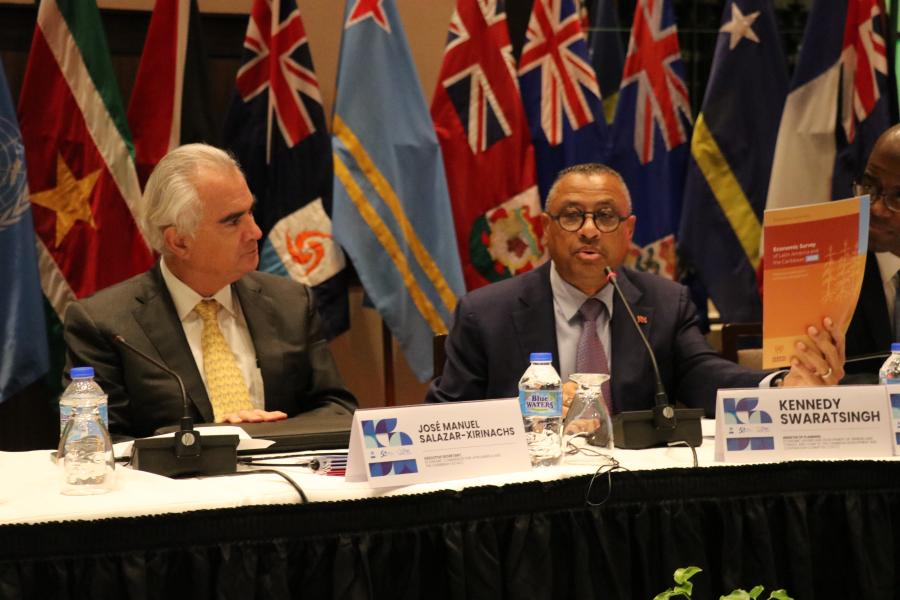
ECLAC Executive Secretary: Caribbean Must Be Active Architect of Its Development Models
José Manuel Salazar-Xirinachs participated in the meeting of the Monitoring Committee of the Caribbean Development and Cooperation Committee (CDCC).
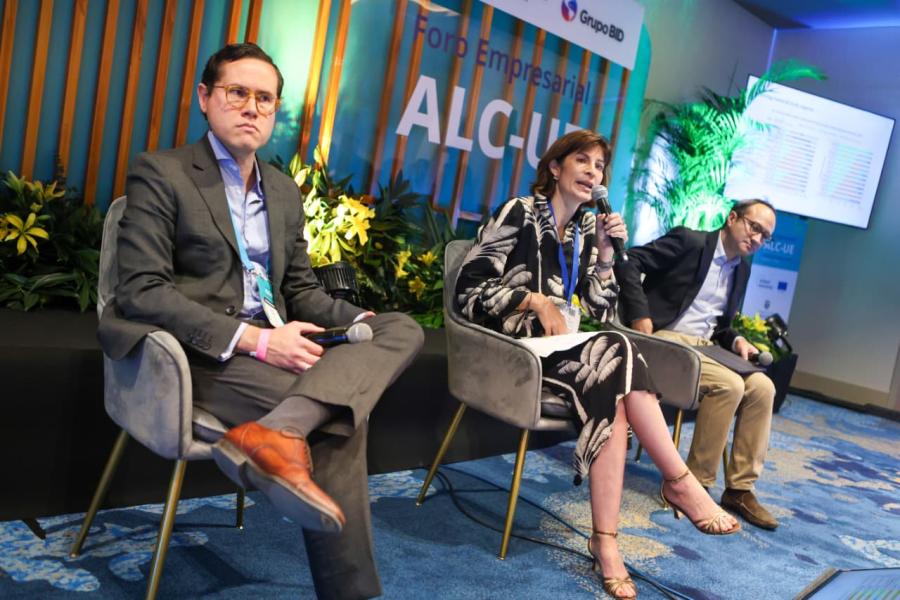
Latin America and the Caribbean Must Scale Up and Improve its Productive Development Policies: LEO 2025 Report
This joint document by the OECD, ECLAC, CAF and the European Commission – entitled the Latin American Economic Outlook (LEO 2025) – was presented at the Business Forum of the CELAC-EU Summit that is taking place in Santa Marta, Colombia.

The OECD, European Commission, CAF and ECLAC Advocate for a New Vision for Productive Development Policies in Latin America and the Caribbean
In a document that will be presented on Monday, November 10 at the Business Forum of the CELAC-EU Summit in Santa Marta, Colombia, the entities pose the need to scale up and improve these policies to foster a productive transformation that would allow the region to jump-start its productivity.

ECLAC Updates Growth Projections for Latin America and the Caribbean: An Expansion of 2.4% is Expected in 2025 and 2.3% in 2026
The region continues to be mired in a trap of low capacity for growth, with average rates of around 2%, with scant investment, low productivity, sluggish labor markets and high inequality levels.