Income distribution
Activities
Seminar on reconciliation of information sources for the measurement of income distribution
This seminar is held in hybrid format (in-person and virtual) on 12 October 2023, at the ECLAC headquarters. The construction of the household account, distributive accounts and measurement of inequality will be addressed, also incorporating information on the distribution of tax income.
News
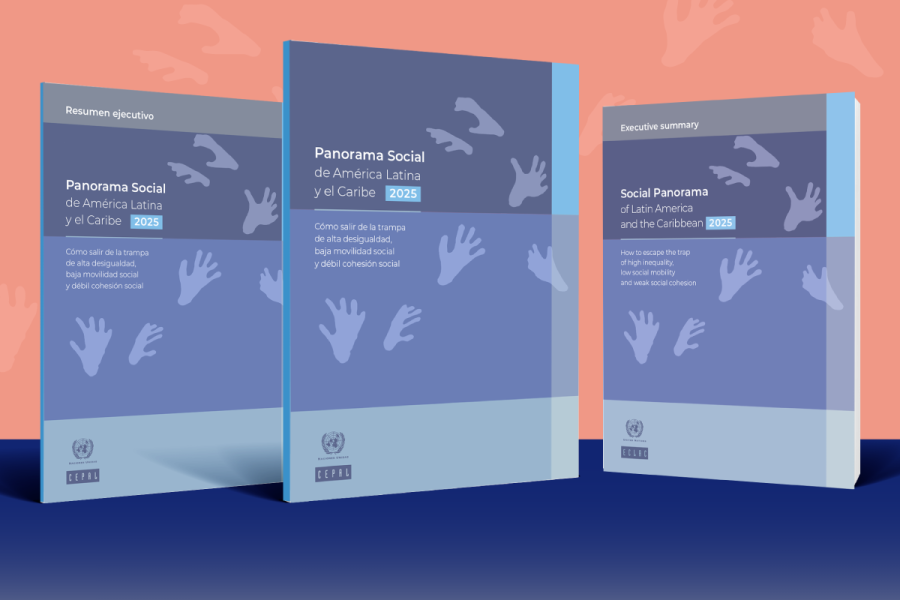
Income Concentration is Still Extreme in Latin America: The Wealthiest 10% Obtains 34.2% of Total Income, While the Poorest 10% Only Gets 1.7%, ECLAC Warned Today
The annual report Social Panorama of Latin America and the Caribbean 2025 examines the trap of high inequality, low social mobility and weak social cohesion in which the region is mired, and recommends five public policy strategies for overcoming it.

ECLAC: The Regional Poverty Rate, which Rose with the Pandemic, Has Declined to a Level Similar to 2014 and in 2023 Reached the Lowest Figure on Record, but Income Inequality Remains High
Despite this progress, 172 million people in Latin America and the Caribbean still do not have enough income to meet their basic needs and 66 million of them cannot buy a basic food basket, according to the report Social Panorama of Latin America and the Caribbean 2024: The challenges of non-contributory social protection in advancing towards inclusive social development.
HLPF side-event Critical Energy Transition Minerals to accelerate progress towards the SDGs
Inaugural remarks by José Manuel Salazar-Xirinachs, Executive Secretary of ECLAC, at the HLPF side-event co-led by UN Regional Economic Commissions, gathered in the UN Working Group on Transforming Extractive Industries for Sustainable Development.
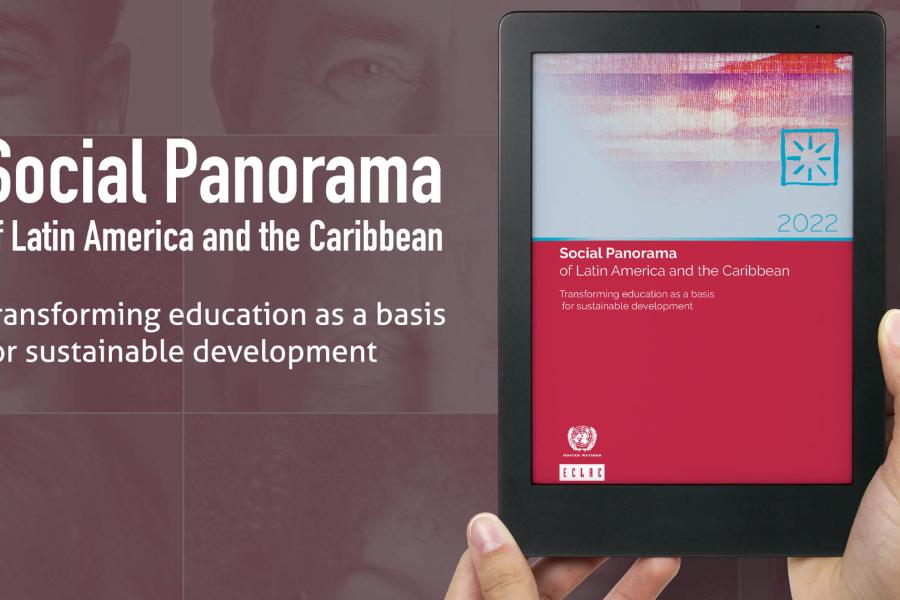
Poverty Rates in Latin America Remain Above Pre-Pandemic Levels in 2022, ECLAC Warns
The Social Panorama 2022 report projects that 201 million people (32.1% of the region’s total population) live in situations of poverty, with 82 million (13.1%) of them in extreme poverty. The regional organization calls for urgently addressing the silent crisis in education to avert the risk of a lost generation.