ROSA: Tariff and Energy Efficiency Strategies for Water Sustainability in Panama (Session 2)
Work area(s)
Topic(s)
The second session of the webinar series: "Tariff and Energy Efficiency Strategies for Water Sustainability in Panama" within the framework of the Network and Observatory for Water Sustainability project (ROSA in Spanish) took place on September 12th, 2024. This event featured the participation of Silvia Saravia, Economic Affairs Officer at ECLAC; Diego Fernández and Alfredo Montañez, Senior Water Experts at ECLAC. During the meeting, technical and regulatory approaches to the tariff structure in the drinking water sector were addressed, discussing cost calculation methods and their impact on the financial sustainability of services.
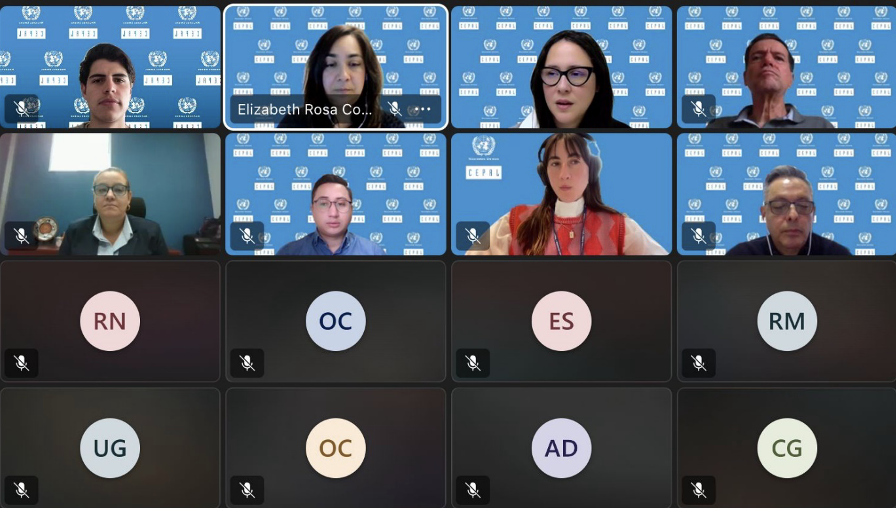
The training session started with a brief review of the main concepts discussed at the first session so that the focus could move on to the methodology for the design of tariff structures and the calculation of average costs. The importance of having an efficient tariff structure that guarantees economic and social sustainability was highlighted, and different tariff models applied in Latin American countries were analyzed.
One of the key points was the implementation of consumption blocks and the categorization of users to establish tariffs that encourage savings and allow subsidizing those with fewer resources. The difference between single-part tariffs, that is, a charge per consumption or monthly amount, and multi-part tariffs, which can be a fixed charge or a charge per consumption, was discussed; as well as different methodologies for calculating average costs.
In addition, the relationship between energy efficiency and sustainability was addressed, mentioning specific cases of methane recovery in wastewater or sewage treatment plants. It was concluded that this approach not only allows for greater operational efficiency, but also contributes to energy self-sufficiency and cost reduction. The importance of including long-term sustainability criteria in both the investment and operation of water services was also stressed. The session concluded with a call for the implementation of more efficient tariff structures that not only reflect the real costs of the service, but also encourage savings and allow for greater equity in access to drinking water.
Related content

Tariff and Energy Efficiency Strategies for Water Sustainability in Panama: First Seminar
The Webinar, organized by ECLAC on September 3, 2024, aimed to provide key stakeholders in the water and sanitation sector in Panama with the necessary tools and knowledge to develop a sustainable…
 Panama